





Museum Brandhorst

The Museum Brandhorst is dedicated to contemporary art. Since its opening in 2009, the museum has established itself as one of the central venues for contemporary art in Germany. Behind the spectacular facade of 36,000 ceramic rods, visitors from all over the world can explore masterpieces of art from the 1960s to the present.
In the middle of Munich’s vibrant Maxvorstadt neighborhood, the Museum Brandhorst provides a unique environment to take a closer look at the formative positions of art since 1960. Internationally renowned artists and younger voices are united under one roof. The collection and the program of the museum stand for an in-depth research on individual artists and an intensive examination of relevant topics in the visual arts.
The Museum Brandhorst has its roots in the private collection of Anette and Udo Brandhorst. Transferred to a foundation in 1993, the collection was made accessible to the public with the opening of Museum Brandhorst in 2009 and has since been part of the Bavarian State Painting Collections. The fruitful cooperation between the Free State of Bavaria and the Udo und Anette Brandhorst Stiftung continues. While the state guarantees the operation of the museum, the foundation enables the continuous expansion of the collection. Since the opening of the museum, the collection has almost doubled in size, from 700 to more than 1,200 works.


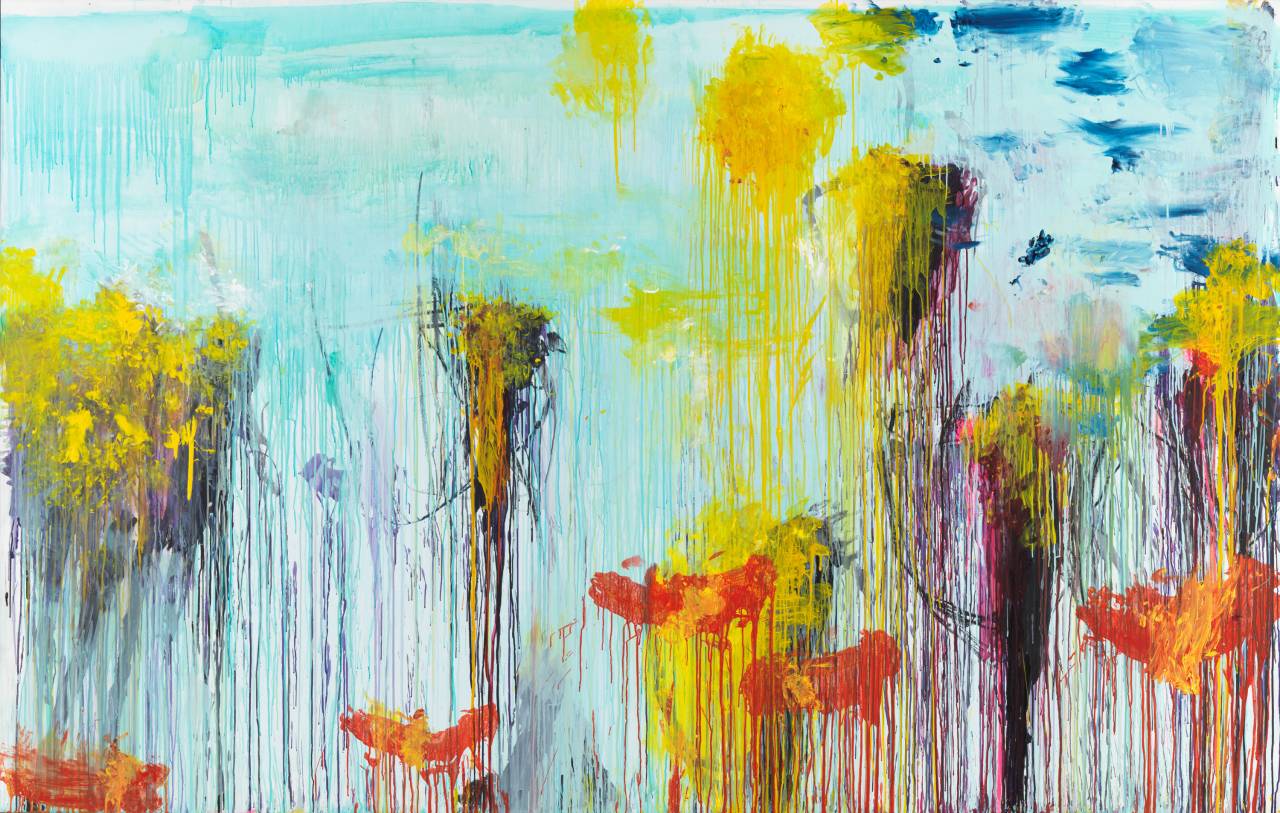
The Museum Brandhorst inspires its audience not only by the largest holdings of works of Andy Warhol’s in Europe. The focus of the museum on works by Cy Twombly and the impressive display of his works are also unique in the world: the monumental “Lepanto Cycle” is permanently presented in a room that has been especially designed following the ideas of the artist. Pop Art and expressive painting are just a few of the numerous movements that can be found here, along with Arte Povera and Minimal Art.
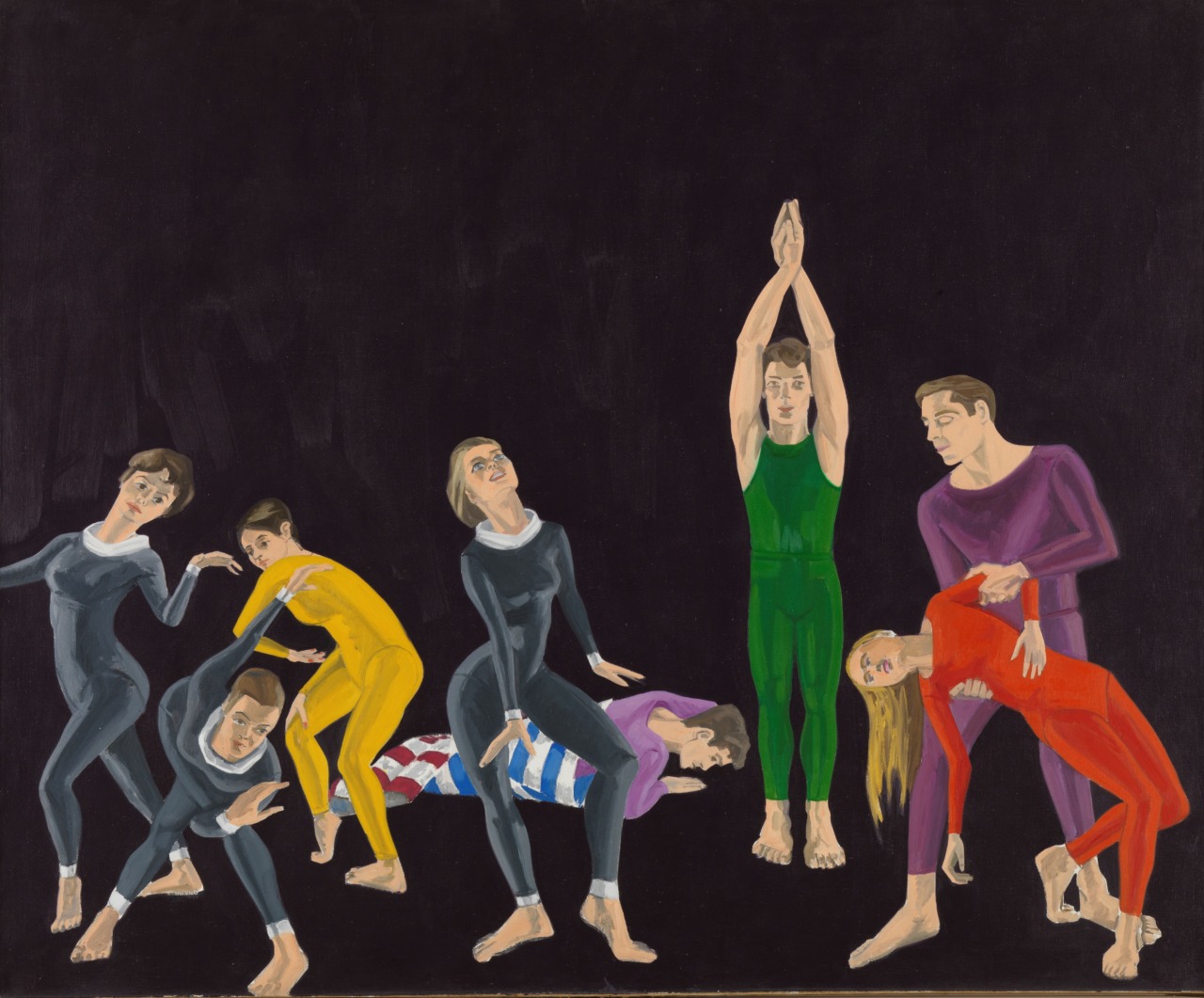
The museum impresses with outstanding holdings of artists of the neo-avant-garde of the 1960s and 70s such as Sigmar Polke, Gerhard Richter or Bruce Nauman and the postmodernism of such figures as Jeff Koons, Mike Kelley or Cady Noland. Bodies of work by international contemporary artists such as Kerstin Brätsch, Jacqueline Humphries, Mark Leckey or Wade Guyton open up new perspectives onto the present.
The Museum Brandhorst stands for an ambitious exhibition program that has been attracting international attention for years. Always in focus: the intense engagement with individual artists and their work. The changing collection displays and temporary exhibitions, as well as the comprehensive catalogues, set standards through their exceptional care and scholarship.
The Museum Brandhorst sees itself as a place of creativity and free thinking. It is in this understanding that the house has made it a central task to enable as many children and adolescents as possible to engage with contemporary art in front of originals. A diverse and constantly expanding range of educational services for children and families, school classes and nurseries encourage an inspiring encounter with contemporary topics from the perspective of the visual arts.

